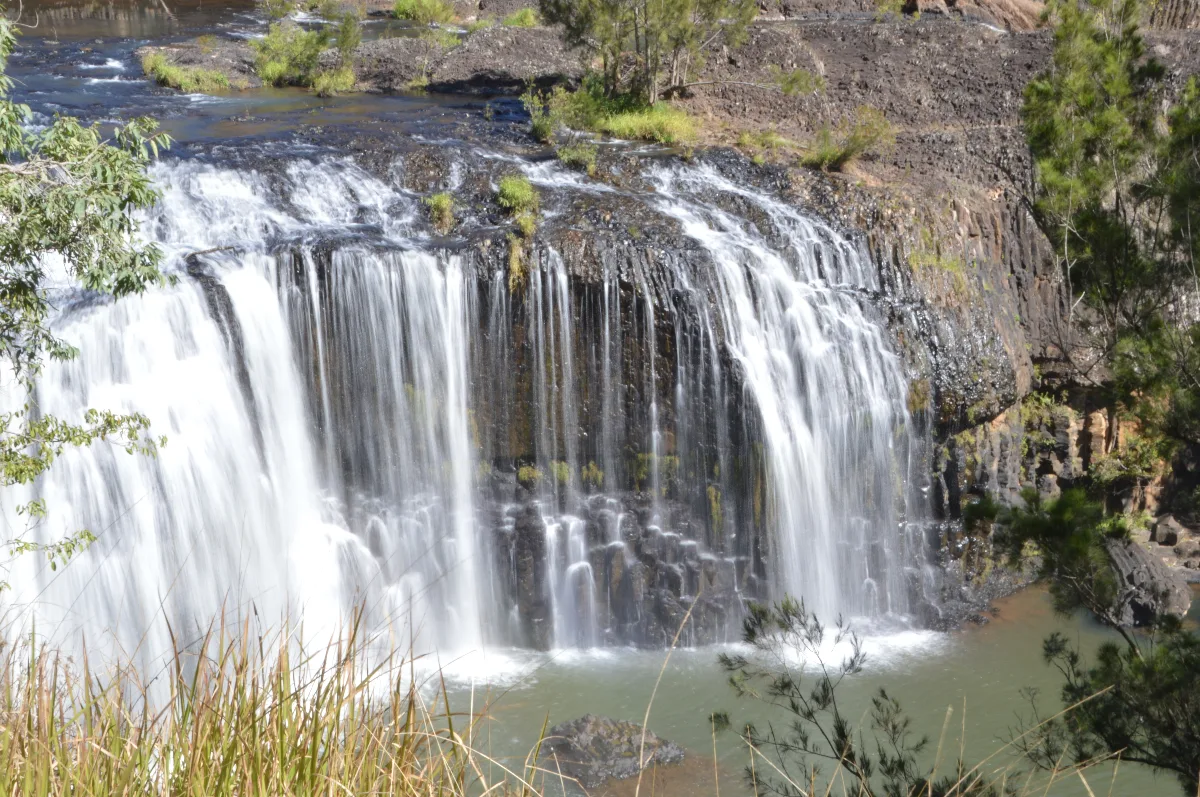
It was a short drive before we found ourselves at Millstream Falls. This natural landmark, located within the Atherton Tablelands of Queensland, is not just a pretty picture, it represents a significant geological history. I was told it is known as Australia's widest single-drop waterfall, a claim I'm in no position to either confirm or deny, but the sheer breadth of the falls is impressive
.
The Millstream River plummets over a basalt lava flow, estimated to be approximately two million years old. This volcanic rock formation is the result of ancient eruptions,
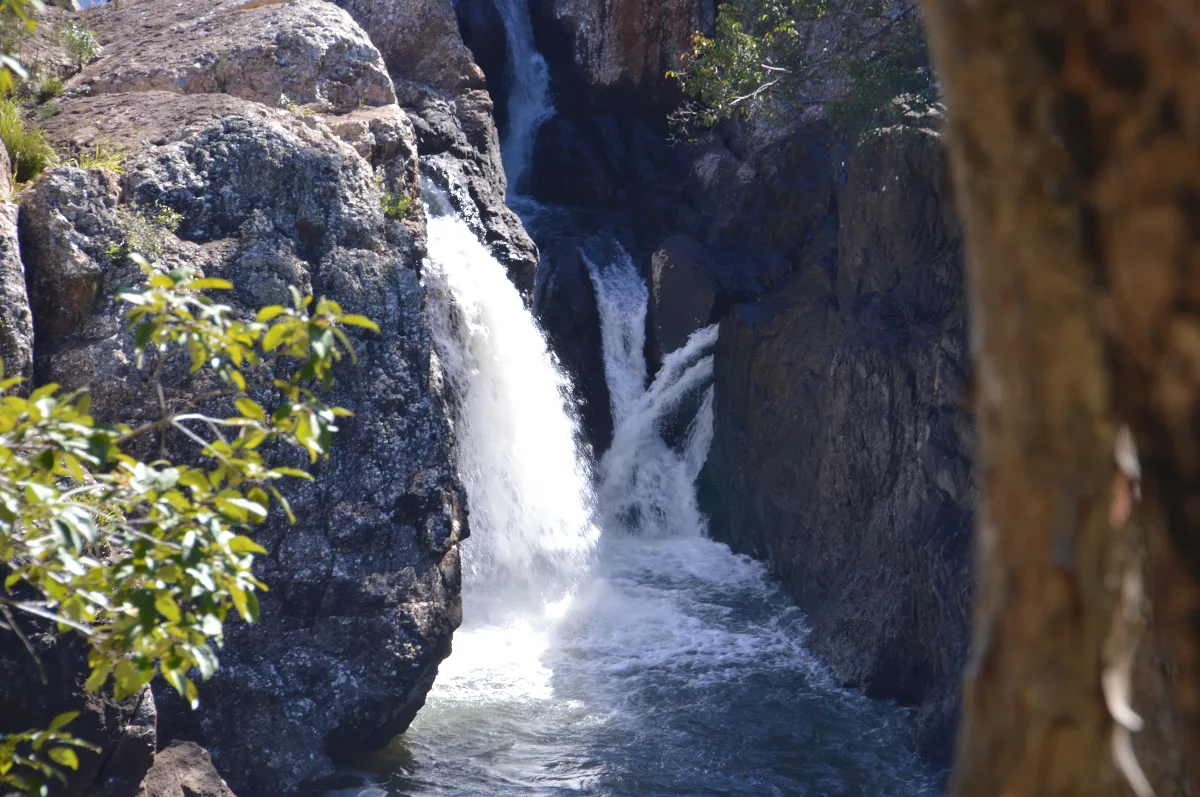
shaping the landscape into what we see today. This place provides a tangible link to a time when the Atherton Tablelands were a region of intense volcanic activity.
Millstream Falls easily among the top five waterfalls I encountered in the Atherton Tablelands. While the main falls are certainly the headline act, taking a stroll along some of the trails provides alternative perspectives on the smaller cascades and the river's journey through the landscape.
The contrast between the dark basalt rock and the flowing water is visually striking. The surrounding vegetation, clinging to the rocky terrain, adds a touch of green to the scene. The pools below the falls are calm and reflective
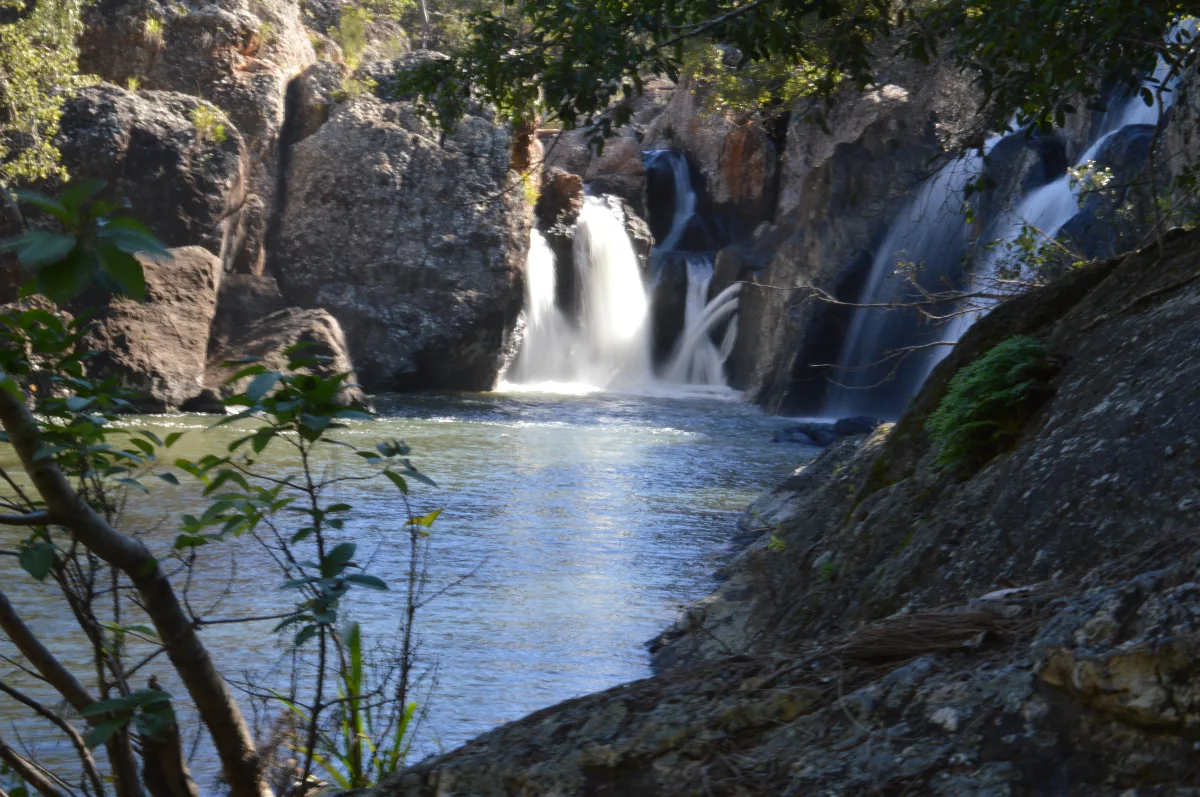
, a stark contrast to the turbulent water above.
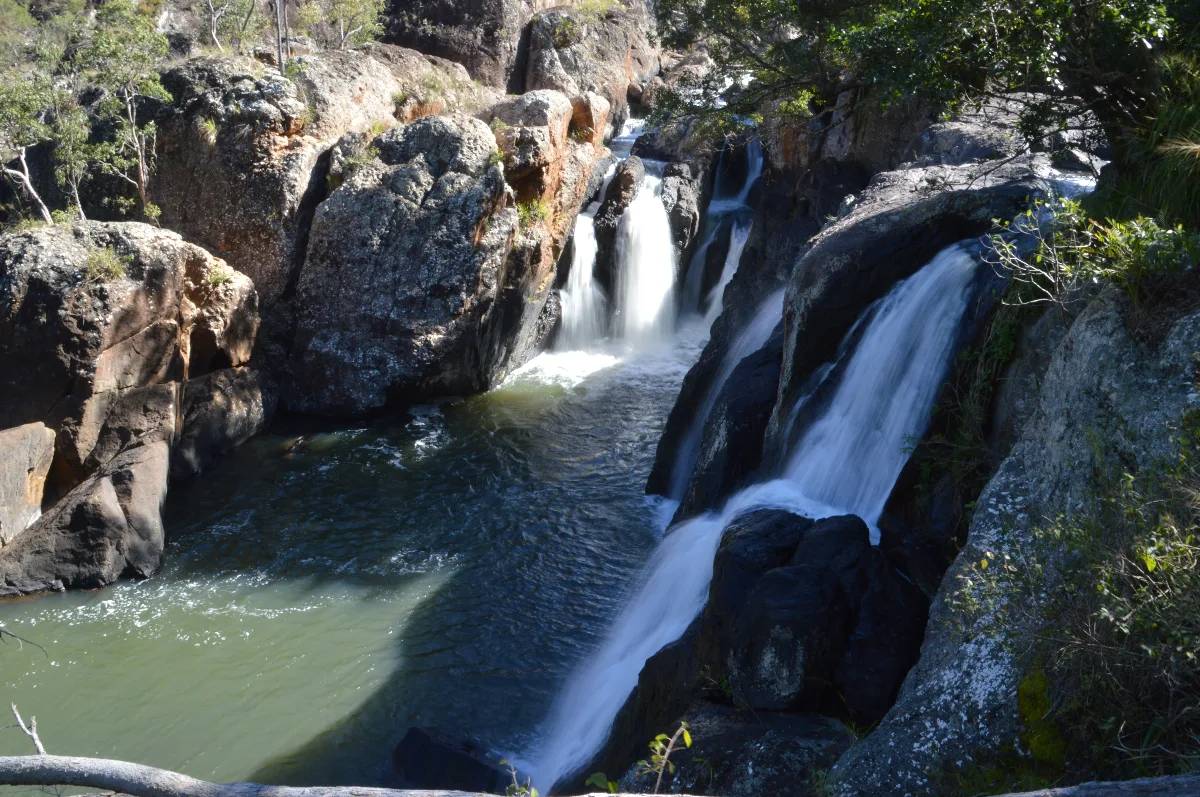
For anyone visiting the Atherton Tablelands, Millstream Falls is a worthwhile stop. It's easily accessible, offers several vantage points, and provides a fascinating glimpse into the geological history of the region
. And, of course, it's always nice to look at some running water.
After the spectacle of Millstream Falls, a short walk led us to the WWII heritage area. While Herberton had clearly emphasised preserving its historical sites, this particular site seemed to be struggling a bit. It's a pity, really, because even the remnants of concrete buildings can whisper stories if given the chance.
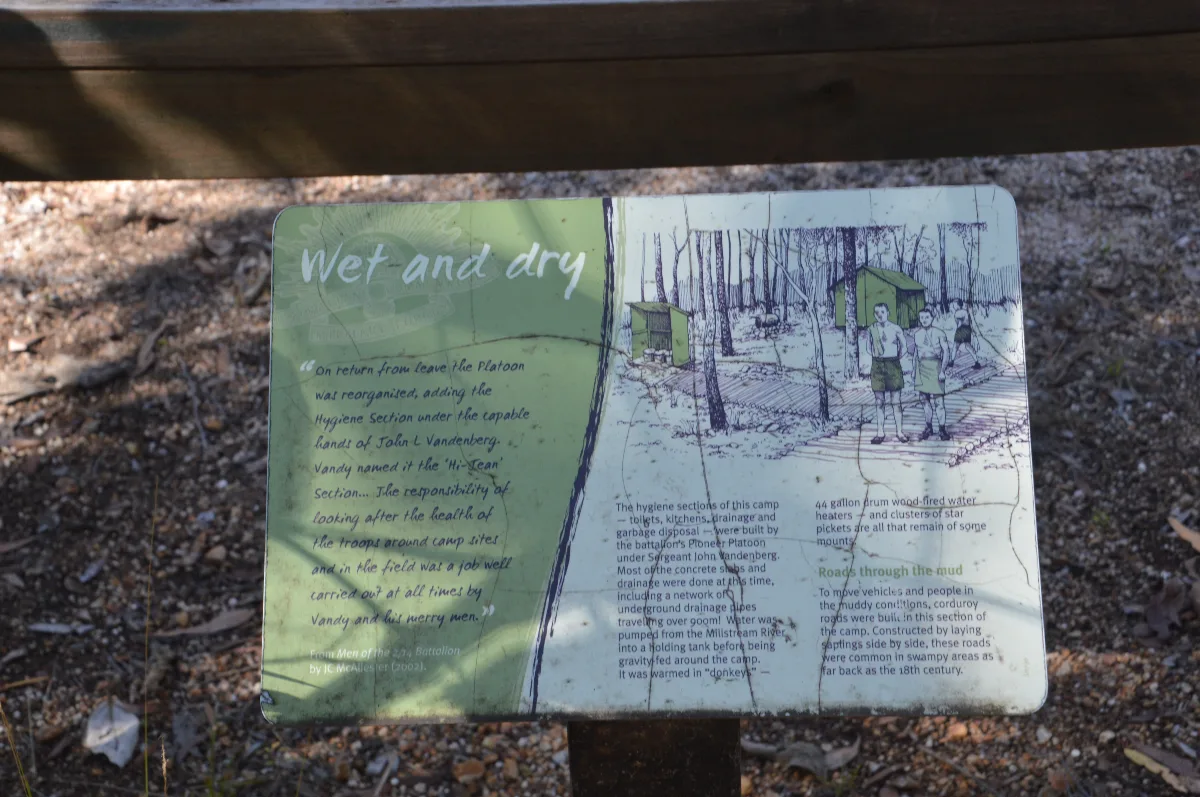
The area was once a bustling training camp during the Second World War. The information boards scattered around do their best to paint a picture of what life was like for the soldiers stationed here, detailing everything from hygiene sections to attempts at creating a bit of comfort in the harsh conditions.
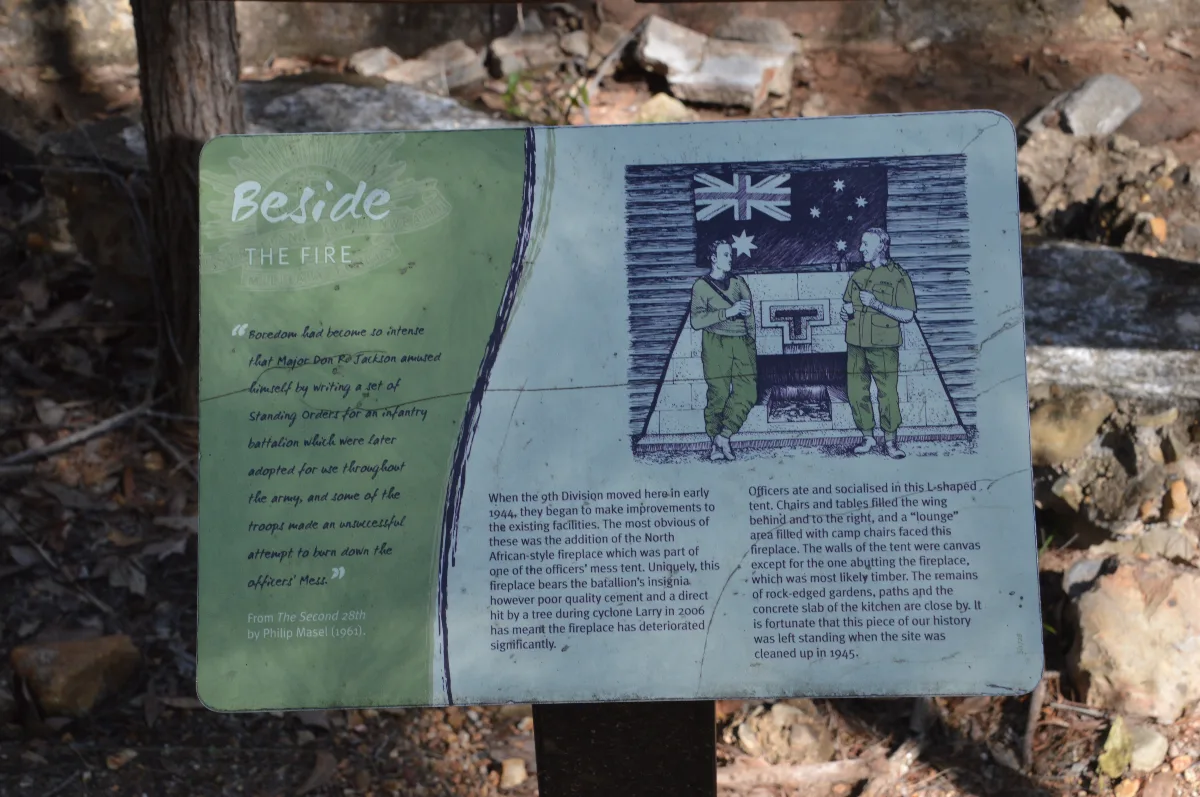
Apparently, one officer was so particular that he wrote standing orders for an infantry battalion, which were later adopted for use throughout the army. Talk about attention to detail!
Walking around, you can still see remnants of the camp's infrastructure. Concrete slabs marked where buildings once stood, outlining the layout of the camp.
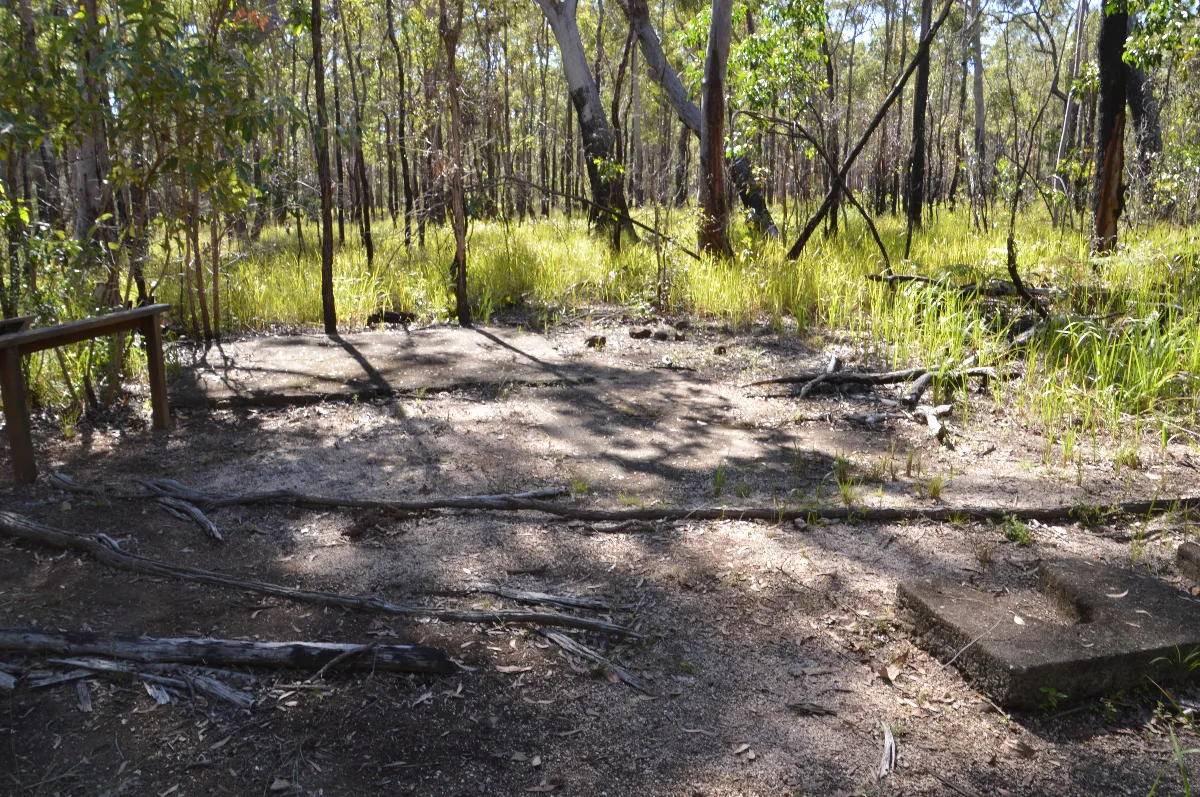
It takes a bit of imagination to picture the tents, the bustle of activity, and the lives that unfolded here so many years ago.
What remains of the officers' mess bears the scars of time and weather. Ironically, a tree fell on the structure in 2006, accelerating the decline.
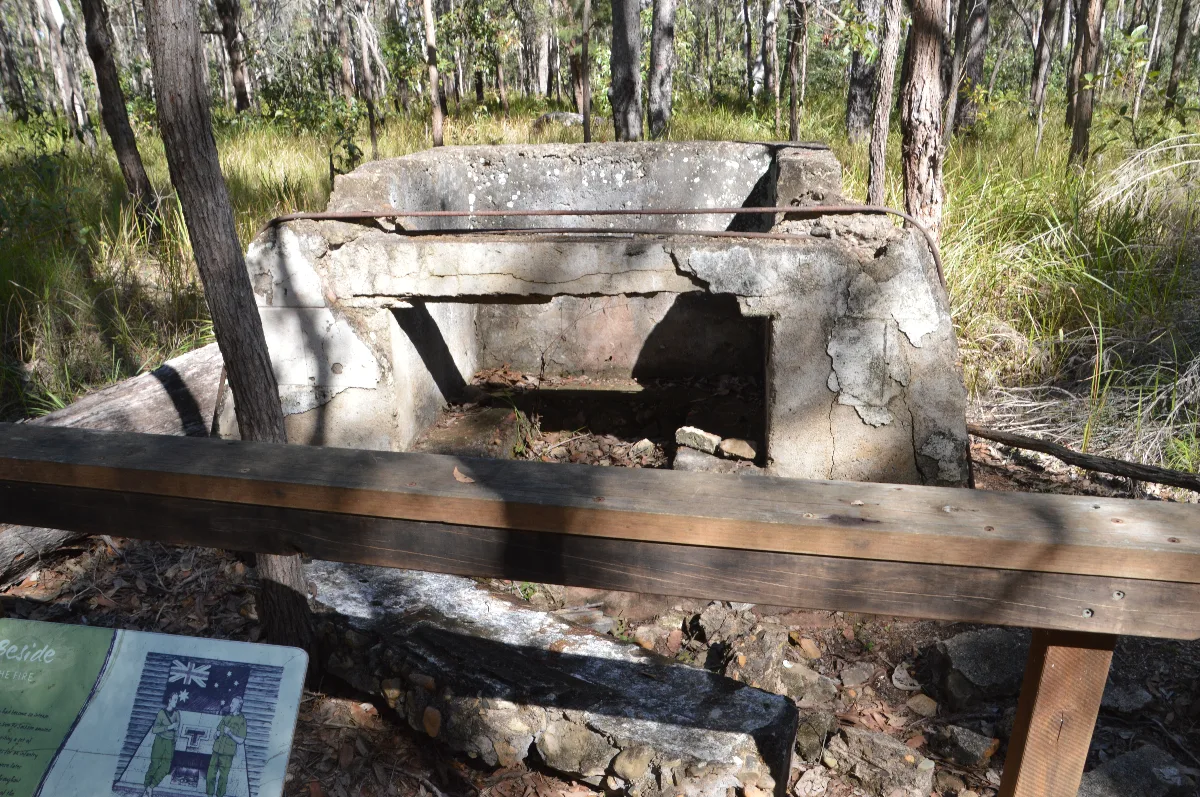
Progress, or perhaps lack thereof, comes in many forms. The remnants of rock-edged gardens and paths are also visible, offering a glimpse into the attempts to create a more livable environment amidst the war effort.
While the preservation efforts may not be as impressive as other sites I've visited, there is something undeniably poignant about wandering through these remnants of the past.
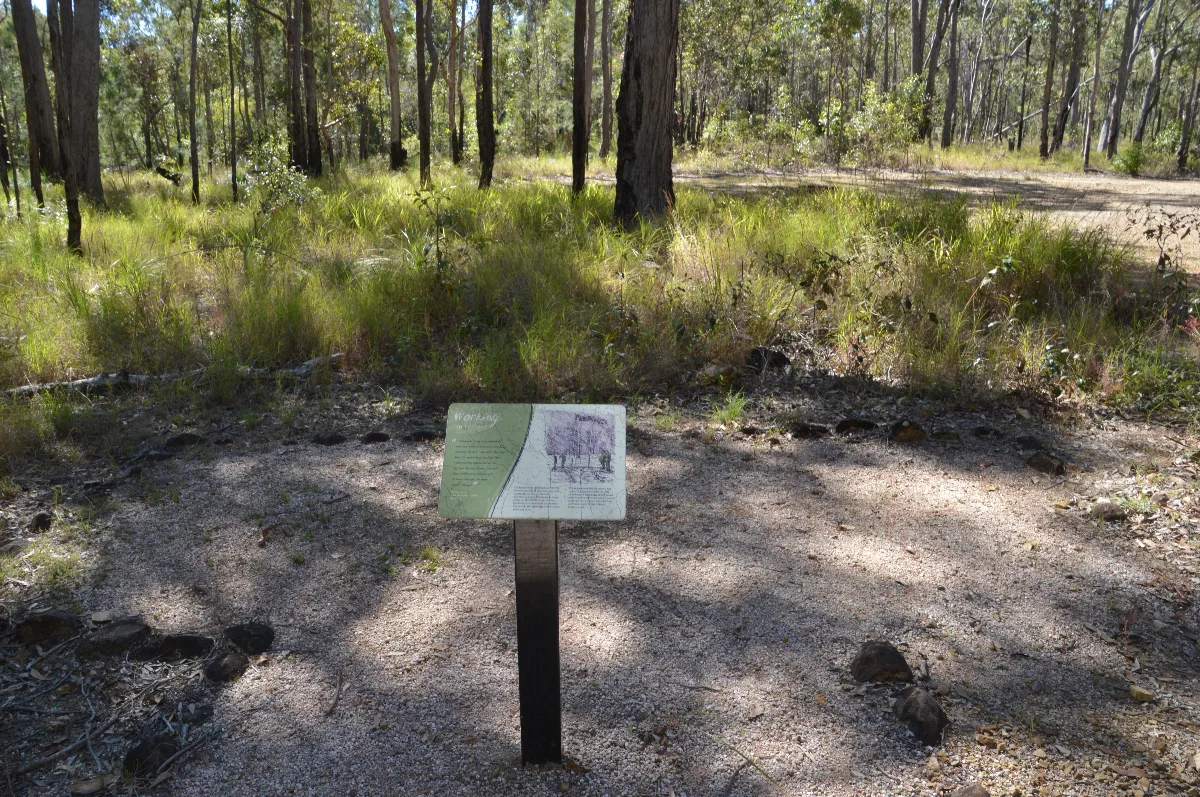
It serves as a reminder of the sacrifices made and the lives touched by a global conflict, even in this seemingly remote corner of Queensland.
From the pleasant heights of Millstream, the road beckoned further south, leading toward the oft-lauded Tully Gorge. Many a traveller had regaled tales of its splendour, painting vivid pictures of a natural wonder. Thus, the anticipation was high. Alas, reality, as it often does, offered a slightly different narrative.
Perhaps the sun was in the wrong position, or maybe the river was feeling particularly shy that day. Whatever the reason, Tully Gorge, on this particular visit, failed to ignite the senses. It wasn't dreadful, mind you, but it certainly didn't live up to the breathless praise. It was... well, underwhelming.
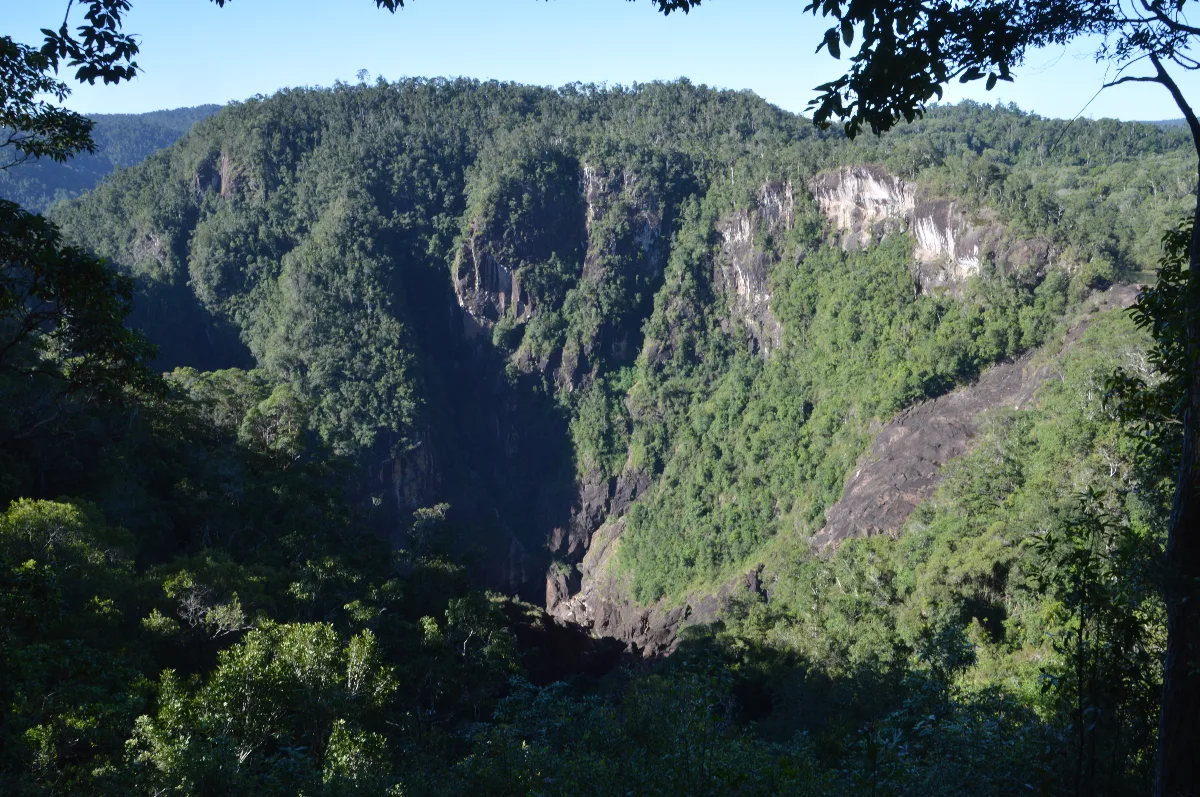
The gorge itself is undeniably impressive, a deep cleft carved into the landscape over millennia. The sheer scale is evident, a testament to the power of water and time. The surrounding rainforest clings to the steep sides, a vibrant green tapestry against the stark rock face. But the overall feeling, at least on this occasion, lacked a certain... magic.
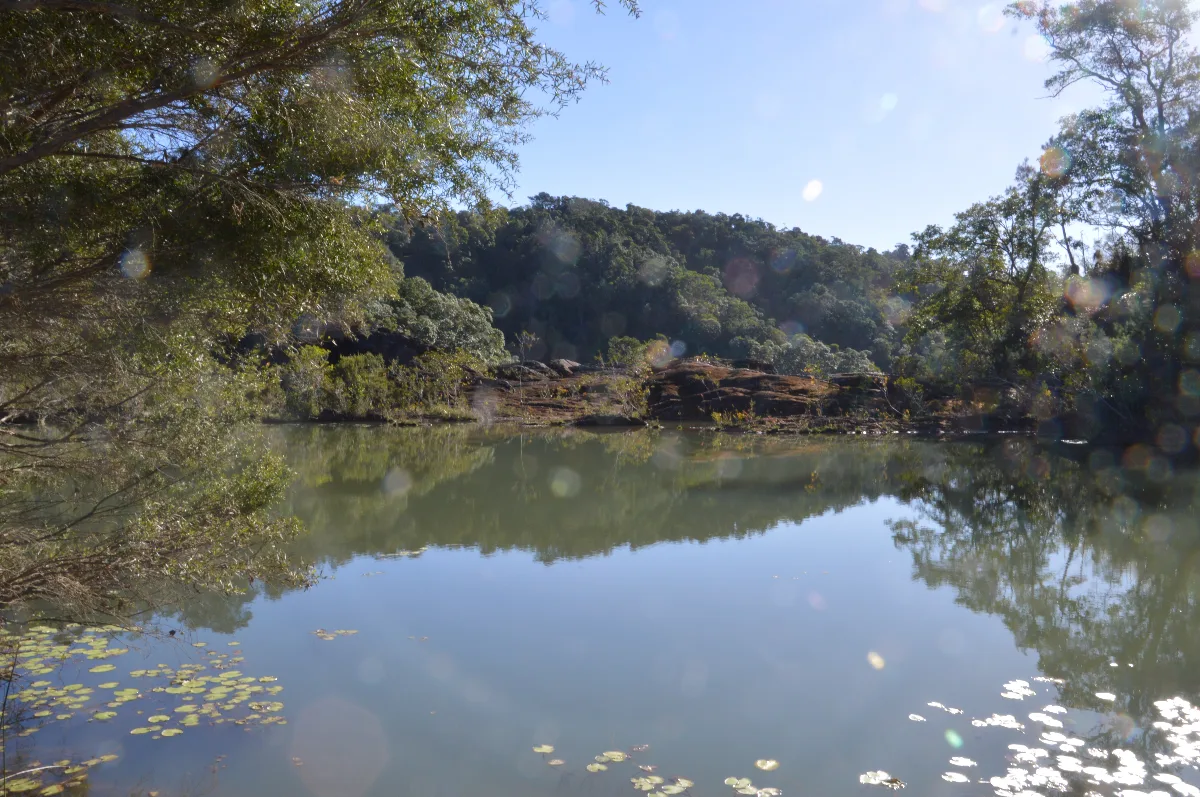
Tully Gorge is part of the Wet Tropics World Heritage Area and lies within the traditional lands of the Gulnay people. European settlement in the area began in the late 19th century, driven by logging and agriculture. The Tully River itself was once considered for a major hydroelectric scheme, but thankfully, environmental concerns eventually prevailed, preserving much of the gorge's natural integrity. Perhaps the knowledge of its history, the efforts made to preserve it, lends a deeper appreciation that was initially missed.
One has to wonder if expectations, built upon the enthusiastic descriptions of others, played a role in the perceived disappointment. Sometimes, the most highly praised destinations can fall victim to their own hype. Maybe, Tully Gorge simply needs to be approached with a more open mind, free from the weight of expectation. After all, beauty, as they say, is in the eye of the beholder. Perhaps a return visit is warranted, with a renewed perspective and a more forgiving eye. Or maybe it's just a nice-looking gully!
Trip Gallery


